
From Spreadsheet Queen to the Statehouse: Why I'm Looking Closely at Vermont's Budget
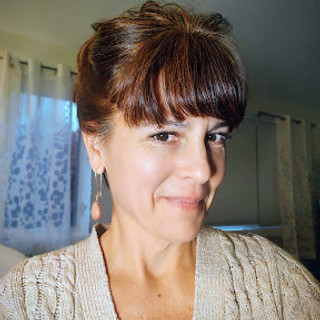
By Stephanie Mack | Candidate for Vermont House, Chittenden-24

In This Article
My mother used to call me the "spreadsheet queen." I've always liked numbers, checking calculations, and figuring out why something doesn't add up. That interest led me into accounting, where I spent years reviewing financial statements, reconciling accounts, and helping businesses understand their finances. Now I'm putting that experience to work examining Vermont's state budget.
I recently talked about this during two radio interviews, Hot off The Press on WDEV with Amy Hornblas on October 22 and another on October 26. We covered a lot of ground, including healthcare, housing, government spending, and why I decided to run for the Vermont House.
Much of it comes back to a question I've been asking throughout this campaign: Do we really know where Vermont's money is going, and what are we getting for it?
Making Sense of Vermont's Budget
When I first started examining Vermont's appropriations legislation, I was surprised by how difficult it was to follow the numbers.
The documents contain both duplicated and unduplicated figures. Money moves between government funds, and unless you understand how those transfers are counted, it's easy to get confused about the totals.
I wanted to see the information in a format I was accustomed to using in my accounting practice. I started organizing the unduplicated appropriations into categories, checking the totals, and building spreadsheets that would make the figures easier to follow.
In accounting, if something doesn't reconcile, you keep working until you understand why. That's how I approached the state budget.
I've begun sharing that work on my website because I think Vermonters should be able to examine these numbers themselves. You shouldn't need an accounting background to understand how your state government spends money.
But the appropriations figures are only the beginning. They show how much money has been authorized for different purposes. I also want to know how that money is actually being spent.
Which departments administer it? Which programs receive it? What organizations and vendors are being paid, and for what?
That's the next level of detail I want to examine.
Following the Money
In my accounting practice, reviewing financial records sometimes meant asking questions people didn't particularly want to answer.
You go through individual transactions, reconcile the accounts, and look closely at expenses that don't seem to make sense. Sometimes there's an error. Sometimes everything is perfectly legitimate. Either way, you need to know what you're looking at.
I'd like to bring that same approach to Vermont's budget.
Consider programs that began with temporary federal grants. What happened when the federal funding ended? Did the program continue with state money? If so, how much are we spending on it now, and what has it accomplished?
The same questions apply when the state provides funding to nonprofit organizations. What services are taxpayers paying for? Are those services producing measurable results? Does anyone follow up?
I'm not suggesting that every expense I question is wasteful. I'm saying we need enough information to make that judgment.
I'd like to see how much money has been authorized for different purposes. I also want to know who got paid: government entities, nonprofits, or independent vendors?
We keep hearing that Vermont needs more money. Before we ask taxpayers for more, I'd like us to take a much closer look at what we're already spending.
Healthcare: What Can We Actually Afford?
Healthcare came up in both interviews, and it's an issue I've been spending quite a bit of time researching.
Vermonters are dealing with high insurance premiums and medical expenses. Families, small businesses, and people living on fixed incomes are all feeling the pressure.
I've been looking at proposals for universal healthcare and universal primary care, particularly the financial questions surrounding them.
Federal law creates complications for certain approaches to statewide healthcare coverage. ERISA, for example, limits how states can regulate many employer-sponsored health plans. We need to understand those restrictions and how different proposals would be financed before promising a program we may not be able to deliver.
I've also been studying what other states have done. New Hampshire has taken a different approach to its insurance market, including a reinsurance program. I'm interested in learning whether some of those ideas could help Vermont.
That doesn't mean we can simply copy another state's system. There are differences in population, insurance markets, and costs that need to be understood.
During the October 26 interview, a caller challenged something I'd said about older residents and their ability to afford higher insurance premiums. He pointed out how difficult healthcare costs can be for retirees living on fixed incomes.
It's a legitimate concern. We can't talk about making coverage more affordable for younger people without also considering what happens to older residents. I want to understand how other states handle that balance before recommending changes here.
I don't have all the answers on healthcare. I'm still doing the research. But I would rather examine what's working elsewhere and understand the costs than make promises without knowing how we're going to pay for them.
Housing and Vermont's Future
Housing was actually one of the main reasons I first became interested in serving in the Legislature.
I've always had an interest in building and development, and I'm concerned about how difficult it has become for people to afford homes in Vermont.
I also care about preserving the rural character of our state. The open land, small communities, and quiet roads are part of what makes Vermont special.
We need more housing, but we also need to be thoughtful about where and how we build it.
During the October 22 interview, we talked about Act 181, local planning, and the role municipalities play in managing development. I'd like to see us learn more from communities that have found workable approaches to growth.
I also think local residents need to have a meaningful voice in those decisions. People who live and work in a community often have practical knowledge that deserves to be heard.
Housing isn't an isolated issue, either. Property taxes, energy costs, construction expenses, and regulations all affect affordability. We need to consider how those things fit together.
Looking Beyond Party Labels
Something else we discussed on October 22 was my political outlook.
I've never been particularly concerned about fitting into someone else's idea of what I should believe. I like to hear different points of view, look at the information, and make up my own mind.
I wish there were more of that in politics.
I encourage people to look closely at the candidates on their ballots. Read what they've written, listen to their interviews, and find out what they actually stand for. A party label doesn't tell you everything about a person.
We may disagree about politics, but many of us share the same concerns. We want to afford our homes, pay our bills, raise our families, and know that the government is using our tax dollars responsibly.
There ought to be room for more discussion about those things without every conversation turning into an argument about political parties.
Why I'm Running
For years, running for the Legislature wasn't practical for me. The legislative session overlaps with one of the busiest times of the year for accountants, and I had a practice to run.
After selling my practice, I finally had the time to consider it seriously.
I started out particularly interested in housing, but as I worked through Vermont's budget, I found myself becoming more involved in the financial questions. I wanted to understand how the Legislature arrived at its numbers, how spending decisions were made, and what information lawmakers had available.
I know there are difficult choices ahead. Healthcare, education, housing, and other services all cost money, and people have legitimate disagreements about where the priorities should be.
But we ought to be making those decisions with accurate financial information, and we ought to be willing to question expenditures rather than simply carrying them forward year after year.
I've spent much of my working life going through financial records, checking the figures, and asking questions when something needs explaining. It's work I know how to do, and I actually enjoy doing it.
That's what I'd like to bring to Montpelier.


Comments